
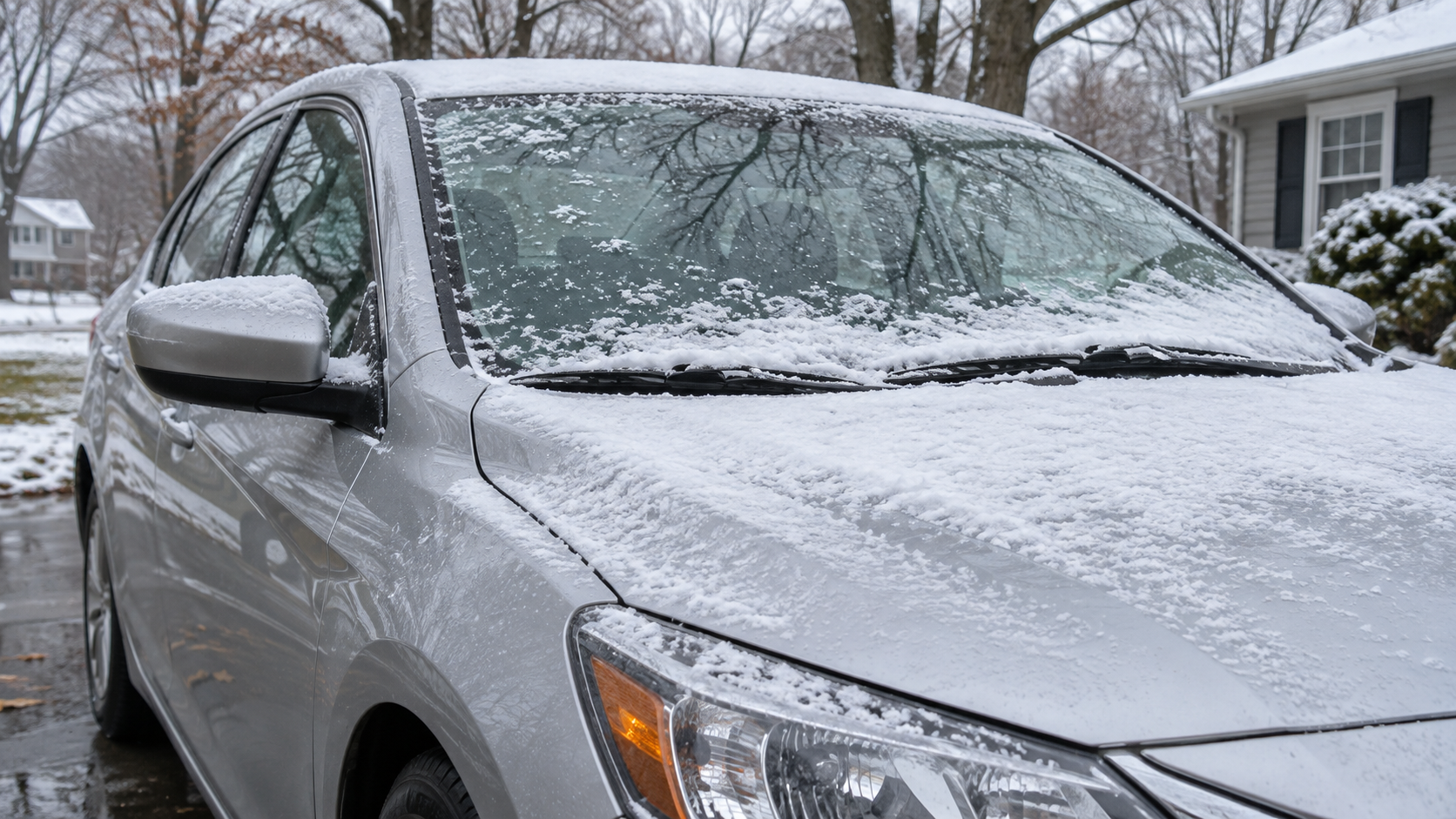
Cold mornings in Phillipsburg are a good reminder to give your vehicle some attention before winter travel. Whether you are commuting along Route 22 or planning a longer trip, a little preparation can help you spot maintenance needs before you leave.
1. Start with tires and pressure
Check tire pressure with a gauge when the tires are cold, using the pressure listed on your vehicle’s door-jamb label or in its owner’s manual. The number molded into a tire’s sidewall is not the recommended pressure for your vehicle. Colder weather can lower pressure, so a warning light deserves a check even if it goes out after driving.
Look for uneven wear, damage, and worn tread. If you are considering winter tires, check your vehicle manufacturer’s recommendations and discuss the right fit for your driving. Our tire services include rotation, balancing, and replacement. For more on dashboard warnings, read our tire-pressure light guide.
2. Check the battery and visibility
Have the battery and charging system checked if starts are slow or you are unsure of the battery’s condition. Cold weather makes starting harder, and a marginal battery may become more noticeable.
Check wipers for streaking or damage, fill the washer reservoir with fluid rated for freezing conditions, and make sure lights and defrosters work. Clear snow and ice from the vehicle before you drive, including windows, mirrors, lights, and the roof.
3. Review maintenance and pack for delays
Use your owner’s manual to review scheduled maintenance and fluid requirements. Cooling-system protection matters in winter, too; have the correct coolant level and condition checked rather than mixing unfamiliar products.
Keep an ice scraper, flashlight, blanket, phone charger, and basic emergency supplies in the vehicle. Check the forecast and road conditions before leaving. Maintenance helps prepare your car, but it does not make icy roads safe.
For the full preparation checklist, see NHTSA’s winter driving guidance.